


GOODYEAR, Ariz. The Goodyear Police Department says a former officer misused the city’s automated license-plate reader system and committed three department-policy violations before resigning during the investigation.
The completed administrative investigation found violations involving abuse of authority, body-worn camera requirements and dishonesty, according to a department statement first reported Friday, Oct. 23, by Arizona’s Family. Police Chief Brian Issitt said he would have upheld the officer’s termination if the officer had remained employed.
The department has not publicly named the former officer or disclosed what license plates were searched, how many searches were involved or whose movements may have been queried. The former officer resigned Sept. 17 while the administrative review was still underway.
Criminal review ended without charges
The case began with a routine audit of Goodyear’s Flock Safety database activity on July 21. Investigators flagged potentially improper activity involving an officer the next day, placed the officer on administrative leave and blocked access to department computer systems.
Goodyear asked Glendale police to conduct a separate criminal investigation after the audit raised the possibility of a crime. Glendale investigators later concluded there was not enough evidence to support criminal charges, according to Goodyear’s account.
That criminal determination is separate from the administrative findings. A decision that evidence does not support a criminal charge does not resolve whether an employee violated workplace rules. Goodyear continued its internal review after the outside criminal investigation ended.
The department’s public Internal Affairs policy says administrative findings are determined by at least three members of the sworn executive staff. Most findings use a preponderance-of-the-evidence standard, while integrity allegations require clear and convincing evidence. The police chief makes the final disciplinary decision.
What Goodyear has and has not disclosed
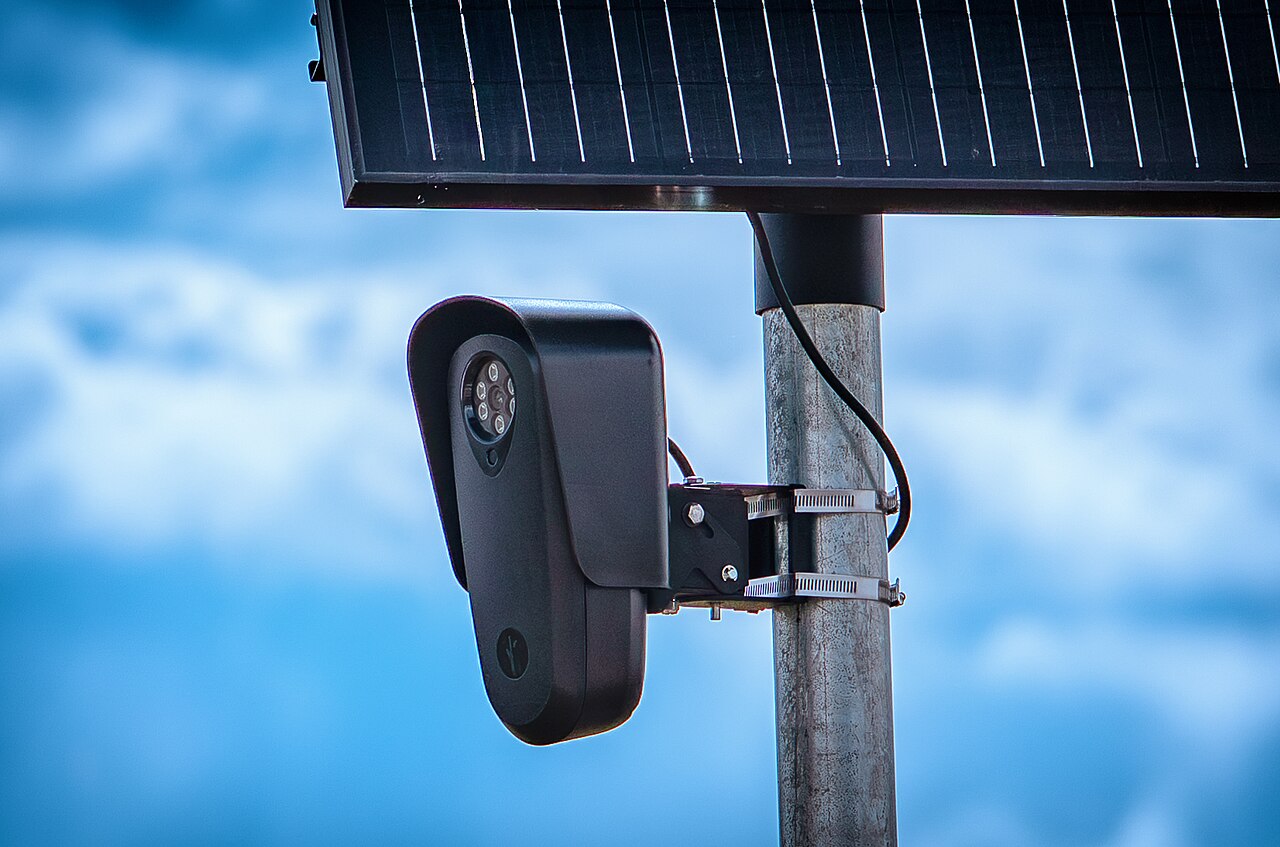
Goodyear said in August that it operated 33 Flock cameras and had about 200 authorized users. The roadside cameras photograph passing vehicles and record license plates along with characteristics such as vehicle make, model and color. Authorized law-enforcement users can search the collected data during investigations.
The audit established that the system’s search logs could identify activity warranting review. The department has not said whether the searches involved a family member, acquaintance, public official or another person, and no affected person has been publicly identified.
Goodyear also has not announced that it will stop using the cameras or change its Flock contract. The department’s August position was that the alleged conduct of one user did not erase the system’s legitimate public-safety uses.
Issitt said completing the review after the officer resigned was necessary because access to sensitive law-enforcement information carries a heightened duty of trust. The department’s policy also states that a copy of a completed internal investigation may be obtained through a public-records request, subject to applicable disclosure limits.
A broader West Valley privacy issue
The Goodyear finding comes amid continuing scrutiny of license-plate reader access across Arizona. Surprise canceled its Flock contract in August after an audit anomaly, although its later investigation determined that a Surprise officer had not misused the system. Many of the company-owned cameras remained along Surprise roads in September while the city awaited a removal schedule.
Other Arizona agencies have investigated improper searches, restricted data sharing or ended Flock programs. The Goodyear case adds a completed administrative finding to that debate while leaving several practical questions unresolved, including the exact nature of the searches and whether the department will revise access controls, audit frequency or public reporting.
West Valley Post will update this story if Goodyear releases the investigation file, additional camera-policy changes or further details about the database activity.



Comments
Join the conversation. Keep comments relevant, civil and focused on the story.