



The U.S. Environmental Protection Agency on Tuesday proposed federal approval of a Maricopa County program that could expand the supply of air-pollution offsets available to major manufacturers and power projects across the Phoenix metropolitan area.
If finalized, County Air Quality Rule 204 would allow owners of certain construction equipment, airport equipment, rail-yard switchers and other nonroad engines to create tradable credits by permanently replacing or retrofitting engines to reduce nitrogen oxides or volatile organic compounds.
Large stationary sources could then use those credits to satisfy part of the federal permitting requirements for building or expanding inside the Phoenix-Mesa ozone nonattainment area. EPA named high-tech manufacturing and power plants as examples of industries that could use the system, but the agency did not identify any specific West Valley company or project as a planned credit buyer.
The action announced Oct. 6 is a proposed approval, not a final rule. A 30-day public comment period will begin when the proposal is published in the Federal Register.
How the credit system would work
Maricopa County revised Rule 204 on Nov. 5, 2025, and Arizona submitted it to EPA nine days later. The county says its existing supply of surplus emission reductions does not appear sufficient to support projected economic growth, according to EPA’s 18-page proposed-rule notice.
Under the rule, the owner of a captive fleet could apply for credits after replacing or retrofitting eligible engines. County regulators would have to verify that each reduction is real, surplus, quantifiable, permanent and enforceable. Calculations must use actual operating hours and emissions data rather than an engine’s theoretical maximum.
The safeguards extend beyond the initial calculation. Original engines must be permanently removed from the nonattainment area or disabled and disposed of. Replacement equipment must be monitored, and any replacement during the next 20 years must meet an equal or stricter emissions standard. Proposed credit issuances of 25 tons or more would require a public participation process.
The credits would cover nitrogen oxides and volatile organic compounds, which contribute to ozone formation. They would not give a new industrial source permission to exceed its permit. A company would still need a preconstruction permit and would have to meet the county’s federal New Source Review requirements.
Why the proposal matters to West Valley growth
For portions of Maricopa County classified as moderate ozone nonattainment areas, a new or modified source generally enters the major-source permitting program at 100 tons per year of nitrogen oxides or volatile organic compounds. Federal rules require at least 1.15 tons of offset reductions for every ton of new emissions.
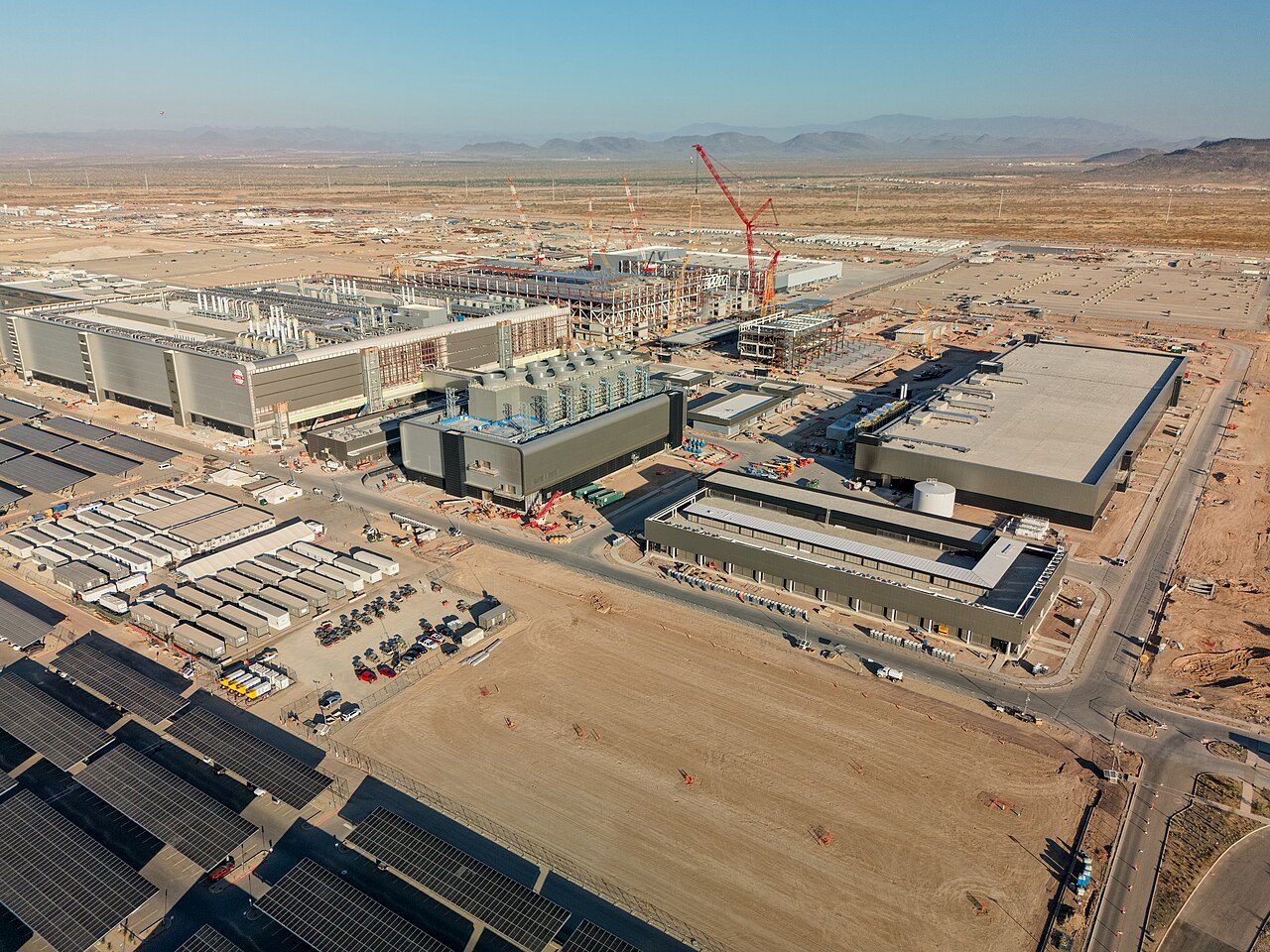
That permitting issue has become more relevant as the West Valley adds energy-intensive and industrial projects, including Amkor Technology’s planned semiconductor packaging campus in Peoria and the broader supplier network growing around north Phoenix. West Valley Post also reported Tuesday on Taiwan’s new Phoenix office supporting Arizona semiconductor companies.
Those projects are context for the rule’s potential regional importance. Neither EPA nor the county said that Amkor, TSMC or another named company has applied to use Rule 204 credits.
EPA said it does not expect the program to increase overall emissions because credits must represent actual reductions and are used to offset increases elsewhere. The proposal would make the county’s local credit program part of Arizona’s federally enforceable air-quality plan.
What happens next
EPA plans to accept comments under docket EPA-R09-OAR-2026-4654 for 30 days after Federal Register publication. The prepublication notice does not yet provide a calendar deadline.
The agency is also deferring action on one section tied to Maricopa County’s separate general-permit Rule 230, which has not yet been added to the federal plan. EPA said credit generators could use two other federally approved county permitting rules in the meantime.
A final approval would follow the comment process and EPA’s review of the record. Until then, Tuesday’s announcement establishes the agency’s proposed finding that Rule 204 meets Clean Air Act requirements, but it does not complete the federal approval.
Featured image: AI-generated editorial illustration representing nonroad-engine emissions credits and industrial permitting. It does not depict a specific facility, company project or official plan.

Comments
Join the conversation. Keep comments relevant, civil and focused on the story.